Category: Texts

  • H1/2025: Muutoksia

    H1/2025: Muutoksia

    Muutimme tammikuussa eteläiseen Laajasaloon. Tämä oli kaikkiaan neljäs muutto (suurin piirtein) kahdeksan Suomessa asutun vuoden aikana. Kaikki muutot ovat olleet etäisyyksiltään melko lyhyitä: muutimme ensiksi Latokartanosta Roihuvuoreen, sieltä Herttoniemenrantaan, ja nyt Laajasaloon.

    Laajasalo kuuluu siihen kategoriaan Helsingin asuinalueita, joissa ”luonto on aina lähellä”. Se on siis toisin sanoen lähiö. Laajasalo on pussin perällä, eikä täältä pääse pois erityisen nopeasti, sillä saari yhdistyy mantereeseen vain yhden sillan kautta Kruunusiltojen avautumiseen asti. Vielä noin vuosikymmen sitten tänne johtava tie oli pienimuotoinen moottoritie, mutta raitiovaunuyhteyden rakentamiseen liittyvän myllerryksen aikana tie muutettiin katumaisemmaksi.

    Laajasalon keskustassa on kaupungista saapuessa vasemmalla puolella tietä älyttömän ruma (vaikkakin palveluiltaan ihan kohtuullinen) kauppakeskus Saari, joka on kuitenkin liki arkkitehtuurin Finlandia-palkinnon arvoinen suoritus, jos sitä vertaa sen alueelliseen isoveljeen, eli Hertsiin. En ehkä vihaa mitään lähialueen rakennusta ulkoasultaan niin paljon kuin Hertsiä. Se on kuin ruskea linna, jossa on vain muutama, rakennuksen mittakaavaan nähden pieni ja vaatimaton sisäänkäynti. Linnasta on tehty myös suora siltayhteys vallihautamaisen Itäväylän yli, jonka sijainnissa ei ole kuitenkaan mitään järkeä. Käsittääkseni sen olisi tarkoitus yhdistyä joku päivä metroaseman tilalle tulevaan asuintaloon.

    Palataan kuitenkin takaisin Laajasaloon. Kauppakeskus Saaresta viistosti vastapäätä on (sisäpihan puolelta) hieno punavalkoinen kerrostalo. Se on kuitenkin rakennettu kadun puolella uudistettuun Laajasalontiehen nähden liian korkealle, minkä vuoksi rakennuksen Laajasalontien puoleiset rapun ikään kuin leijuvat pari metriä kadun pinnan yläpuolella. Vesikaivot (tai jotkut vastaavat) taas sojottavat ulos maasta kuin pienet savupiiput. En tiedä, aiotaanko tätä koskaan korjata.

    Joskus aikoinaan tuli nähtyä pilkallisia videoita tai kuvia vastaavista rakennusmokista jossakin muualla kuin Suomessa, mutta kyllä täälläkin tekevälle näemmä sattuu.


    Laajasalo on vähän kuin sekoitus useampaa eri rakentamisen tyyliä ja aikakautta. Täältä löytyy valtava omakotitaloalue (Jollas), 60–70–lukujen kaltaisia metsälähiöitä (Yliskylä ja Etelä-Laajasalo), ja sitten uudempaa rakentamista (Kruunuvuorenranta). Monella tavalla alue tuntuu kuitenkin keskeneräiseltä, etenkin siksi, että Laajasalon yllämainittu ”keskusta” (eli Kauppakeskus Saari) on aika kehno ravintoloiden ja ajanviettopaikkojen osalta. Jos kontulalainen tai puotilalainen haluaa käydä syömässä ja baarissa, onnistuu se omassa naapurustossa. Laajasalossa baareja ei ole yhtäkään (kauppakeskus Saaren kummatkin baarit sulkivat ovensa alkuvuodesta), ja ravintolatarjonta on aika vaatimattomalla tasolla. Ilmeisesti Kruunuvuorenrannassa on joitakin paikkoja, mutta siellä tulee käytyä aika harvoin.

    Jos jonnekin haluaa mennä, täytyy saarelta lähteä pois. Yleensä bussilla kestää noin vartin verran päästä Herttoniemen metroasemalle, riippuen yleensä siitä, kuinka nopeasti ja aggressiivisesti bussikuski ajaa. Autolla vastaava matka on joku vajaa kymmenen minuuttia, toki riippuen aina liikennetilanteesta.

    On alueessa paljon positiivistakin. Koiran kanssa on kiva kävellä metsässä (ja vaikuttaa siltä, että myös koiran mielestä metsää halkovat soratiet ovat tassuille mukavammat Herttoniemenrannan asfaltti/punatiiliaukioihin verrattuna), ja meren nähdäkseen ei tarvitse kävellä kymmentä minuuttia kauemmaksi. Etelä-Laajasalon rannoilta voi ihailla vaikka Vartiosaarta samalla, kun kuuntelee Santahaminasta kaikuvia laukausten ääniä.


    Siirryn syksyn aikana pois viestintäalalta toisenlaisen alan konsultiksi. Nyt liki seitsemän vuoden viestintäuran jälkeen päässä on pyörinyt paljon ajatuksia viestinnästä alana. En viittaa näissä pohdinnoissa mihinkään tiettyyn työpaikkaan tai kokemukseen: voin sanoa, että olen pitänyt kummastakin tähänastisesta (täysiaikaisesta) työpaikastani.

    Ihan ensiksi, viestintäalan työllisyystilanne vaikuttaa todella huonolta, mikä ei tosin liene suuri poikkeus työllisyyden yleistilasta. Viestinnän kaltaiset tukitoiminnot ja isoissa firmoissa ”konsernipalvelut” – joissa viestintä yleensä sijaitsee – ovat useimmiten ensimmäisinä jonossa, kun jostakin leikataan.

    Miksi? Viestinnän arvoa, tai ainakin ison viestintätiimin ylläpitoa, voi olla usein hankala perustella (markkinointi on vähän eri asia, koska sen liiketaloudellinen rooli on selkeämpi). Harvempi ajattelee, että viestinnälle ei ole mitään tarvetta; mutta joskus voi perustellustikin miettiä, kuinka suuri viestintätoiminto on oikeasti tarpeen. Moni organisaatio kuitenkin pyörittää toimintaansa kohtuullisen hyvin pienellä tai täysin olemattomallakin viestintätiimillä.

    Itse totta kai ajattelen, että viestintä on tärkeä toiminto, mutta se on (viestinnän tekijöiden yleisistä protestoinneista huolimatta) joka tapauksessa tukitoiminto, vähän kuten tietohallinto tai henkilöstöhallinto. Tämä ei ole mielestäni viestinnän vähättelyä, vaan realismia. 

    Jos viestintä ei ole oikeasti mukana organisaation päätöksentekoprosesseissa, vaan viestinnän tehtävänä on toimia vain prosessin tukena ja lopulta keksiä tavat paketoida päätökset eri yleisöille (mikä viestinnän rooli yleensä on), ei viestijöitä montaa tarvita. Siksi alalla on kokonaisuutena aika vähän työpaikkoja.

    Viestintäalan paikkoihin saapuvaa hakemustulvaa taas on helppo selittää: viestintä on (yleensä) siistiä sisätyötä, jota voi tehdä periaatteessa kuka vain, ainakin koulutustaustan näkökulmasta. Olen törmännyt viestijöihin, joiden tausta on kauppatieteissä, valtiotieteissä, kielitieteissä, ja insinööritieteissä. Koulutustaustan sijasta viestinnässä osaaminen ja kokemus ratkaisee – ja koska aika moni osaa kirjoittaa kohtuullisen hyvin ja ymmärtää viestinnällisiä näkökulmia. Viestintää opiskelleilla ei siksi ole välttämättä mitään sen suurempaa etulyöntiasemaa alan paikkoihin, mihin liittyen näkeekin toisinaan alaa opiskelleilta jonkun verran turhautumista.

    Ehkä palaan joskus aiheeseen vielä myöhemmin.


    Mieleen painuneita ja/tai hyviä elokuvia, pelejä, ja kirjoja vuoden 1. ”puoliskolta” (1/2025–9/2025):

    • Soundtrack to a Coup d’Etat, The Seventh Seal, The French Connection, Conclave, Funeral Parade of Roses
    • Cyberpunk 2077
    • The Sailor Who Fell from Grace with the Sea

    ddafaf
  • Japan’s sarakin firms: An industry far from its glory days remains a constant presence

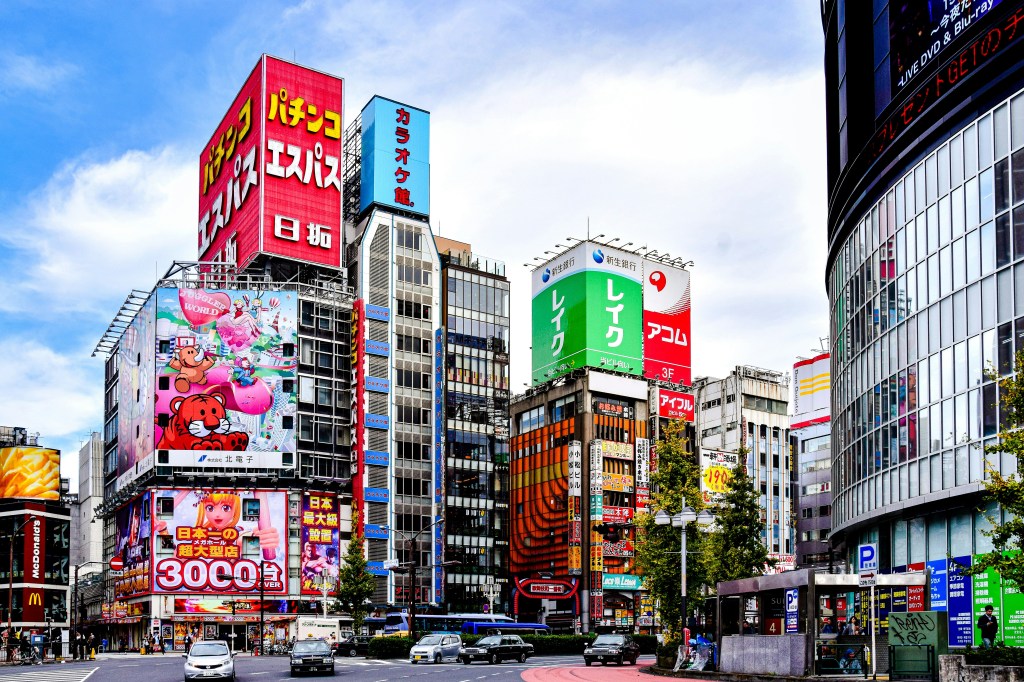
    This street view in Shinjuku includes ads for three major sarakin lenders: the green is for Lake, the red-white to its right is Acom, and the red billboard below that is for Aiful. Source: AXP Photography, Unsplash.

    Aiful, Acom, Promise, Lake. Many of those living or visiting Japan have seen these firms’ colorful billboards plastered on buildings across the country. They are all so-called sarakin firms – consumer lending companies that provide high-interest-rate loans to people and small businesses. The industry has long been surrounded by controversy: accused of driving poor lenders into crushing debt, the Japanese government reined in the industry in the 2000s. Now, the sarakin lenders are probably better known for their ubiquitous, high-production-value adverts.

    The modern consumer finance industry’s roots go back to Japan’s high-growth era, when improving living standards gave rise to a new kind of consumer lending. This is also where the industry got its colloquial name sarakin: an abbreviation of “salaryman” for a salaried employee and “kinyuu” for finance, as the industry aimed its lending at Japan’s growing ranks of salaried, middle-class employees. Facing a pinch, or need to buy a hot new household appliance? All you needed was an ID and a self-declaration of income, and a loan of up to 300,000 yen (around 2,000 USD in October 2024 rates) could be yours in no time.

    But this kind of borrowing always comes with risks. If you cannot pay the loan back quickly enough, the high interest rates can blow up the debt to astronomical proportions, while the lenders will try to find any way to claw back their loan. Already by the 1970s, the press wrote about desperate borrowers committing suicide in the face of aggressive debt collectors, shoplifting or seeking to profit from home insurance by setting fire to their house to make money for repayments. In response to growing public outcry over an increasing number of troubled borrowers, reforms in the 1980s gradually lowered the legal interest rate lenders could charge from the eye-watering 109.5% to 40%.

    The industry soars and comes crashing down

    This did little to dampen the industry’s growth. To it, Japan’s post-1991 Lost Decades turned out to be a boon:  As growth and wages were stagnant, more people and small businesses turned to sarakin lenders (and sometimes to more unsavory, underground lenders) for money. New innovation, such as 24-hour automated loan booths, allowed borrowers to get a loan in 30 minutes, while a rule change allowed the industry to begin advertising on TV. Between the early 1990s and 2000s, the volume of outstanding consumer loans skyrocketed from 3.8 trillion yen in 1990 to 12 trillion in 2003. And so did personal bankruptcies, which went from 11,273 a year in 1990 to 184,422 by 2005.

    In 2003, an Osaka man, his wife and brother committed suicide by jumping in front of a speeding train. In their suicide note, they wrote that their desperate act was in response to daily calls from underground loan sharks, who threatened to seek repayment from their neighbors if they would not pay up. Stories like this were ubiquitous, and they functioned as a spark to another rising tide of public outrage. This was aimed both at illegal underground lenders and their legal, consumer finance cousins – and at the government for its perceived failure to rein in the industry.

    A 2022 study found that the most commonly cited reason for taking out a loan is either a low or loss of income.

    In response, and despite intense lobbying by the industry, the Japanese government finally cracked down on the lenders in 2006. A new law set the maximum interest rate of loans at 20% and capped the amount of money a borrower could loan. The law also explicitly banned an industry practice where, to ensure payout, borrowers could take out life insurance with its proceedings going to the lender, allowing them to profit if a borrower died or committed suicide. In a second of two punches, Japan’s Supreme Court ordered lenders to pay back excess interest rates charged from borrowers, leading to a flood of applications demanding repayment.

    As a result, the industry experienced a major downturn, with one of the major lenders, Takefuji, going bankrupt. In the 2010s, the industry saw much slower growth, both in terms of loan volume and number of lenders: By 2024, a little over 10 million people in Japan have an outstanding consumer finance loan, a number that has remained mostly steady over the past decade. As for why people borrow, the top reason is not to buy a hot new appliance: a 2022 study found that the most commonly cited reason for taking out a loan is either a low or loss of income. This was followed by needing a loan to purchase goods or services, and – in third place – needing a loan to repay another loan.

    Ubiquitous advertising – but not without limits

    But even if business is more sluggish than it used to be, the industry is a constant presence in Japan, through ubiquitous billboards, often placed near busy train stations, and high-production value TV commercials. Sarakin lenders’ advertising budgets are far smaller than consumer product firms such as Nissan and Suntory: a 2022 ranking of the top 300 Japanese firms by their ad spend, the first consumer lender is at 77 (Acom), with its total spend less than 10% of top advertisers such as Nissan, Aeon and Suntory.

    This is partly because the lenders are, of course, smaller than giants like Suntory, but also because of industry-specific restrictions on advertising consumer loans. Sarakin lenders cannot exaggerate the ease of getting a loan, nor are they allowed to run TV ads during hours when children or young people might be watching (say, between 5 PM and 9 PM). But this still leaves time to run ads during popular late-night TV variety shows, like Wednesday Downtown, where ad breaks usually include at least one consumer finance ad. These adverts are produced by top advertising firms, star A-list celebrities, and include catchy jingles and memorable slogans. For many, the firms are probably better known for their advertisements than for money lending.

    In the world of sarakin commercials, the connection between the ad and product is left murky.

    In the world of sarakin commercials, the connection between the ad and product is left murky. This is partly due to the restrictions, and partly because many view the industry with some distaste owing to its dark side that is, naturally, not at all visible in the adverts. It is therefore safer to stick to being memorable than show a struggling family turning to sarakin firms for short-term relief. A good example is an ad by Lake (or Reiku) featuring popular comedy/TV host duo Chidori touring Seoul, advertising, perhaps, the possibility of taking out a loan to travel abroad. But the connection is left implicit and is overshadowed by the ad’s comedy.

    But this is not always the case. As a step away from this industry standard, Acom’s September 2024 ad shows a man – a part-time worker who plays in a band – taking out an Acom loan (not explicitly shown but heavily implied) to buy a suit for his sister’s wedding. The story is clear: a man working a low-wage part-time job can attend an important family event thanks to Acom.

    Based on the response to the ad, this more honest approach might not suit the industry. A popular message on X stated how “wrong” it was for Acom to turn someone’s poverty into an emotional story of family love, with many agreeing in the replies. Analysis in a Livedoor news article noted that precisely because sarakin ads have traditionally not talked about the actual loans, the criticism aimed at Acom’s ad, as evidenced by the video’s YouTube comments, too, was so strong. Most people would rather not want to be reminded of the truth behind the funny and memorable ads. The ad is meant to be the first in a series, but time will tell whether Acom will stick to this style – or revert back to the comedic style that has become industry standard.

    Additional sources

    Andrew M. Pardieck: “Japan and the Moneylenders—Activist Courts and Substantive Justice” Washington International Law Journal, 2008

    Adrienne Sala: “The Japanese consumer finance market and its institutional changes since the 1980s” Japan Forum 2017

    Damon Gibbons: “Taking on the Money Lenders: Lessons from Japan” Centre for Responsible Credit 2012

  • Notes: Winter and spring 2024

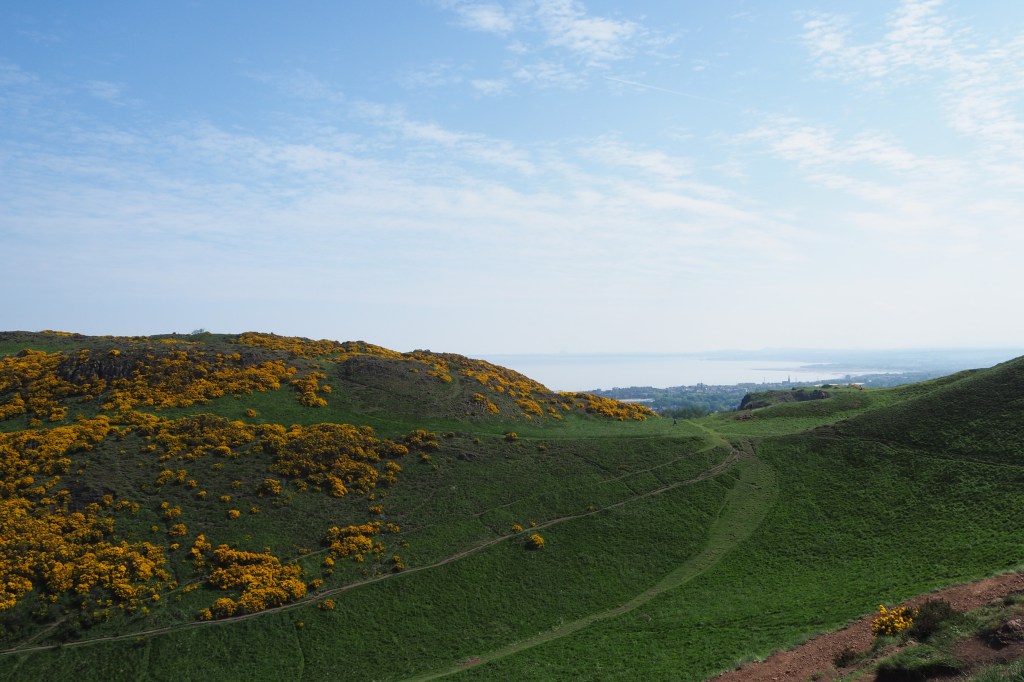
    View from Arthur’s Seat in Edinburgh, May 2024.

    Over the years I’ve written lots of things that I’ve never published anywhere. I’m not sure any of this stuff is that good, but I’m determined to try and update this site at least a few times a year (even outside of just endlessly going on and on about Japan). In that spirit, here are two notes I’ve written about stuff that’s happened this year.

    A perfect winter day in eastern Helsinki

    The weather this February — really, throughout winter and spring — has shifted from freezing (around minus 20 degrees celsius) and snowing, where your face starts to hurt after spending 20 minutes outdoors, to warm, gray, rainy and foggy days, with even a scarf feeling suffocatingly hot.

    But there was one day in mid-February where the weather was just perfect. It was cold, around maybe minus 7 degrees celsius, the sun shining and no clouds in sight (the quintessential fool’s spring, followed by several other false springs). The ground was covered in ice wherever tree coverage prevented the sun from melting it, making walking perilous at times. But you can forgive many of the negative aspects of a Helsinki winter as long as the sun is shining and you can walk around with your jacket open.

    A small group of us made our way down to the southern edge of Laajasalo island, to the affluent neighborhood of Jollas, which is home to a cozy, small public sauna that you can buy a ticker for in advance. The kind of place you could bring a tourist to and make them really fall in love with the city. Located in the grounds of an old, wooden villa and surrounded by tall, red pine trees, the sauna was nestled between a small beach on one side and a rocky outcropping topped by wind-twisted pines on the other.

    The sauna could just about fit 10 people — the maximum allowed for each 2-hour time slot — without feeling like you’re sitting a bit too close to people you don’t know. The changing room was small and cozy. If you felt like it, you could walk down the pier to take a dip in the freezing cold sea. The day was warm enough to sit down on the pier to cool down in your swimming trunks without getting cold.

    After our session was over, we walked back up the steep hill (covered in ice, of course) and made our way to Saari, the neighborhood shopping center that, from the outside, looks like the small scale industrial plants and warehouses that dot both sides of capital area’s ring roads. Inside, there’s a sports bar that’s become known for serving pretty good soft tacos. After enjoying some tacos while watching (and trying to understand the rules of a) snooker tournament on TV, we all headed back home.

    What I’ve been playing: Cyberpunk 2077

    I’m sure this is not uncommon, but the amount of time I spend video games has fallen precipitously as I’ve grown older. It’s not that all that time is now spent cleaning the house or cooking, watching Arsenal lose the league on TV or reading books, but playing games just isn’t always on top of the list of things I want to do with my free time.

    But sometimes there’s a game hat will just suck up all my free time, invade my thoughts at work and occasionally even cause insomnia. One recent example of a game like this was Anno 1800, which I played for what must be hundreds of hours, meticulously trying to build the perfect supply chain and, through that, the perfect city.

    The resource management-trading simulation-city-building sandbox game mode becomes even more fun (and addicting) to play if you disable AI rivals, which means you can’t really lose the game (unless you go bankrupt). This allows you to fully focus on crafting ever more complicated supply chain networks needed to build the cars, elevators and fur coats your metropolis’ population needs.

    A beach in our neighborhood, January 2024

    Anno 1800 is a really busy game that can feel overwhelming: outside of ensuring citizens’ consumption needs are met, you have to manage and expand your city and island ownership, complete questlines, commission research and send out ships in expeditions or in search of sunken treasure. Every time I play it I pretty much have a plan in mind of what I need to do next to grow my city and economy. In a sense, this is pretty much required, since the game usually lives it up to you to decide how big and prosperous you want your city and empire to be.

    The sense of having to think ahead and plan what to do rewires your brain to constantly think about it. I would stare at a blank PowerPoint slide at work (do not worry, employers – this did not affect my ability to work efficiently) and just think about what product my city’s smoke-choked industrial district should manufacture, what part of the map I should cover in beautiful Haussmann-style apartment buildings and to which island I need to shift wheat farms to get more land for my ever-expanding metropolis. This would continue for a few weeks, maybe a month, until I eventually ran out of steam, only to pick the game up again and become re-obsessed with it usually a year later.

    Cyberpunk 2077

    The most recent game that hooked me in this way was Cyberpunk 2077, a game I originally intended to get for the PS4 back when it launched. What happened with the game is well-known at this point – see here for an example of how the sentiment surrounding the game has changed since it’s disastrous launch – but needless to say, letting the game simmer for over two years turned out to be the right call. I’m always interested in cyberpunk stuff, and so having bought an Xbox Series X last autumn, I thought time would be right to see what the newfound positivity surrounding the game was about. It didn’t disappoint.

    Games usually take some time to “click”: i.e., reach a moment where suddenly I “get it”, and then I can’t get enough of it. Some games just click instantly, like Anno, while some games never do, like Assassin’s Creed Odyssey. With Cyberpunk, that moment came about 20 hours in, when I was sitting in my car after a mission. The car was parked outside the No Tell Motel on the outskirts of Night City, with the city’s skyline and vertical advertising holograms visible behind tall cliffs, and the radio started playing this song. After that moment I was completely absorbed by the game’s world, story, (mostly) fun combat, and phenomenal soundtrack. Like with Anno, my thoughts almost constantly revolved around what I should do next in game.

    It’s not a perfect game. You can’t enter lots of buildings, and the game doesn’t have a lot of side activities – gambling, for example, isn’t included, which seems like a bit of an oversight in a city as seedy as Night City, although I wouldn’t be surprised if there’s some very sensible game development reason for leaving it out. There’s therefore little to occupy you outside of the (sometimes a little repetitive) quests and gigs. In addition, sometimes your character’s dialogue doesn’t really match what you thought you selected, and sometimes, I don’t really want to choose any of the options given. Especially the latter thing can feel frustrating when other characters then react negatively to something you didn’t want to say but had to to progress the story.

    Outside of the gameplay positives, what really lifts the game up from a fun but flawed first-person RPG to something unique is, as suggested by the reason it “clicked”, its atmosphere and sense of immersion. I don’t think you’ll really get as much out of the game if you don’t sometimes slow down and walk around a bit in the city’s many, many unique neighborhoods and breathe in its sounds and sights. Wanting to just walk around the city in between completing missions is the real reason I keep coming back to the game again and again.

  • Notes on a summer in Japan: part two

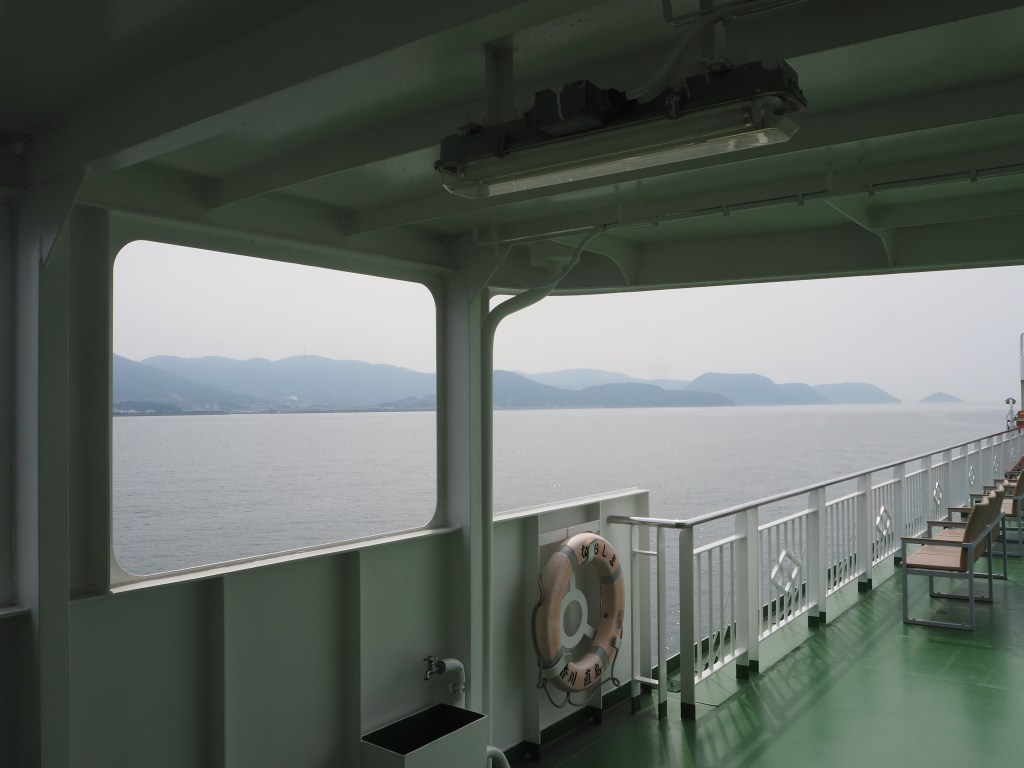
    On the ferry from Naoshima to Takamatsu.

    The yellow pumpkin was gone.

    Kusama Yayoi’s yellow pumpkin is one of two pumpkin-shaped artworks (the other one is red) on the island. It seems it was destroyed in a typhoon in 2021, and is currently awaiting repair somewhere else. 

    Sad to have missed it. On the other hand, the view from the southern side of the island was stunning enough even without the famed pumpkin. Cargo ships passed back and forth in the light blue sea with the tall, blue mountains of Shikoku forming a beautiful backdrop. Far away in the distance you could make out the skyline of Takamatsu, the capital of Kagawa prefecture, famed for udon (thick wheat noodles). 


    We had booked a room in a nice-looking hotel in Takamatsu that had a public bath on its top floor, from where you could admire the city’s skyline and the Seto Inland Sea.

    But there was a price to pay for the view. The hotel is located on a mountain slope, and to get there, you’d have to drive — or walk — up two very steep roads. When checking in, we asked the receptionist whether there was an easier way for pedestrians to get down into the city. The receptionist appeared surprised at the question: who in the world would want to walk up or down those hills?

    (We did, but once was more than enough – we took a taxi back to the hotel later).


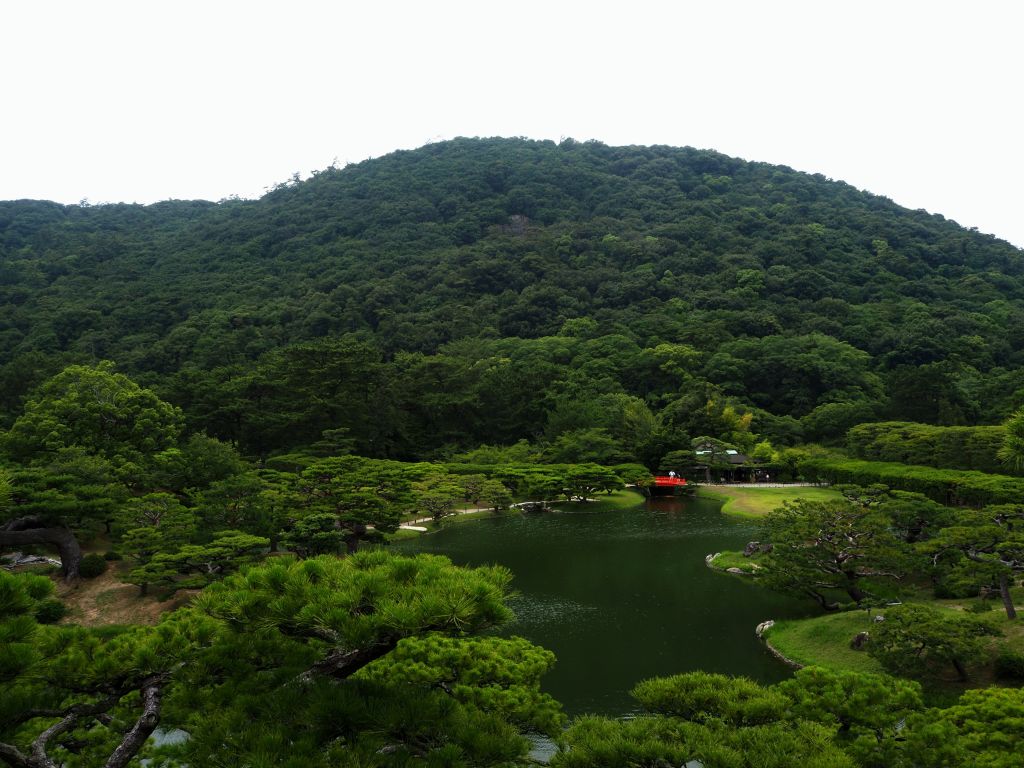
    The next day we visited Ritsurin Koen, an enormous garden that really looks like an extension of two forest-covered mountains in the middle of the city. We were lucky to get a tour of the garden by a local volunteer guide, who was passionate about every aspect of it. He really had a story for all of the garden’s buildings, ponds and its famous trees and rocks.

    This one fact still remains in my mind: the garden has 1,400 pine trees. Of these, 1,000 are carefully tended to, while the other 400 are left to grow freely. That is a lot of pine trees.

    We half-promised the guide that we’d try and spread the word about how great the garden is. It really is great. Here’s a link to more information on the Visit Kagawa website. Please do visit it if you happen to be in Takamatsu.


    Drug possession and drunk driving — these are just some of the crimes covered in Police 24 Hours, a reality show in the vein of Cops (and other, similar shows elsewhere). 

    One of the cases in the show involved a who was man incandescent at a worker in a convenience store. The source of his anger was a metal plate store staff had left as a ramp between the road and the sidewalk, which allowed goods to be brought from the street into the store. The man had stormed the store and accosted an (underpaid, probably part-time) convenience store worker since, apparently, he had hit the plate with his bicycle and fallen down. This came after, again, according to him, telling the store many times for months that the plate was dangerous for cyclists. Following the verbal assault by the very cross man, the worker had hit the store’s panic button and retreated into the store’s backroom.

    The man’s concerns went far deeper than just the plate plate, though. While ranting at the police about the metal plate, he also had time to lament Japan’s declining population, how subsequent generations kept getting smaller, and how the country itself would cease to exist if things kept going the way they are.

    The police were nonplussed; deciding to continue the discussion about the metal plate, and perhaps other hot-button societal issues, at a nearby police station.

    The next segment involved a drunk man assaulting a taxi driver and, after being wrestled to the ground by a group of 4 officers, telling them to piss off. Some phenomena are — unfortunately — universal.


    Coming to Kyoto in mid-July means you’re in town for the Gion festival (or matsuri), organised this year for the first time in three years. The climax of the nearly month-long festival features enormous and beautifully decorated floats being pulled down city streets, accompanied by traditional music and enormous crowds all jostling for a position in the front row to see the floats — and especially how they are turned. 

    See, the floats’ wheels do not turn. For the smaller floats, the men pulling them can just lift it up on their shoulders; but to turn the bigger ones, they have to throw bamboo sticks under the wheels, soak them with water, and then pull the front wheels sideways to do a 90 degree turn. It is an impressive looking move, and was greeted with deserved applause by spectators every time it happened.

    This is just one part of the festival, however. Another popular part of it takes place on two evenings, when the floats are readied for the parade but are still stationary in their various locations around central Kyoto. As the sun goes down, (some of the) the roads in the city centre are closed, and the streets are lined up with stands selling food (yakisoba, shaved ice, takoyaki — the usual fare) and offering games, such as picking up goldfish. As evening falls, the lanterns that cover the back of many floats light up, bringing a nice, soft light into the dark and hot summer night. It’s a fun event, as long as you can withstand the crowds.

    Having been cancelled due to COVID-19 two years in a row, some had perhaps forgotten how crowded the festival gets. I overheard tons of people expressing surprise at the number of people, with others lamenting in response how “well, I suppose it’s been three years.” Maybe so; I’ve only ever been once before (in 2014), and even then the crowds were huge.

    It’s a classic thing that we all do, I suppose: complaining about crowds while also being ourselves, well, one of the individuals making up that crowd.


    At least based on the flags you see in its streets, Kyoto is a football town. Lots of utility poles have the purple flags of Kyoto Sanga F.C. hanging from them, while posters advertising the team’s upcoming home games are ubiquitous in the city’s metro stations. The team’s standing in the city has likely been boosted further since it was promoted to J1 — the highest level in men’s football league system in Japan — after spending years playing in the division below. 

    I went to see the team play a home game against Hiroshima, which I later realised is ranked much higher in the league. To me, there wasn’t a clear gap between the teams, and they seemed evenly matched most of the time. The game was really intense, ending 1-1 after Kyoto Sanga equalised with a spectacular header from a player that had just come on the pitch in the second half. Despite signs discouraging spectators from hollering due to COVID-19, the goal was celebrated with a huge cheer in the home stands. For most of the game, instead of yelling, the fans cheered on their teams with intense drumming and clapping that went on for 15 minutes at a time, followed by a 2 minute break, after which it started again.

    Unfortunately, I was unable to buy the home team’s purple kit since it was sold out everywhere.


    Near the end of our trip, we made a brief journey (1 hour by local train from Kyoto) to see Hikone Castle, located in the similarly-named town on the eastern side of Lake Biwa. We were again greeted with great weather: sunny, +30 degree heat and high humidity. It was therefore not surprising to see almost nobody in the area between Hikone Station and the castle: after all, who would be stupid enough to go out in the middle of the day in that heat?

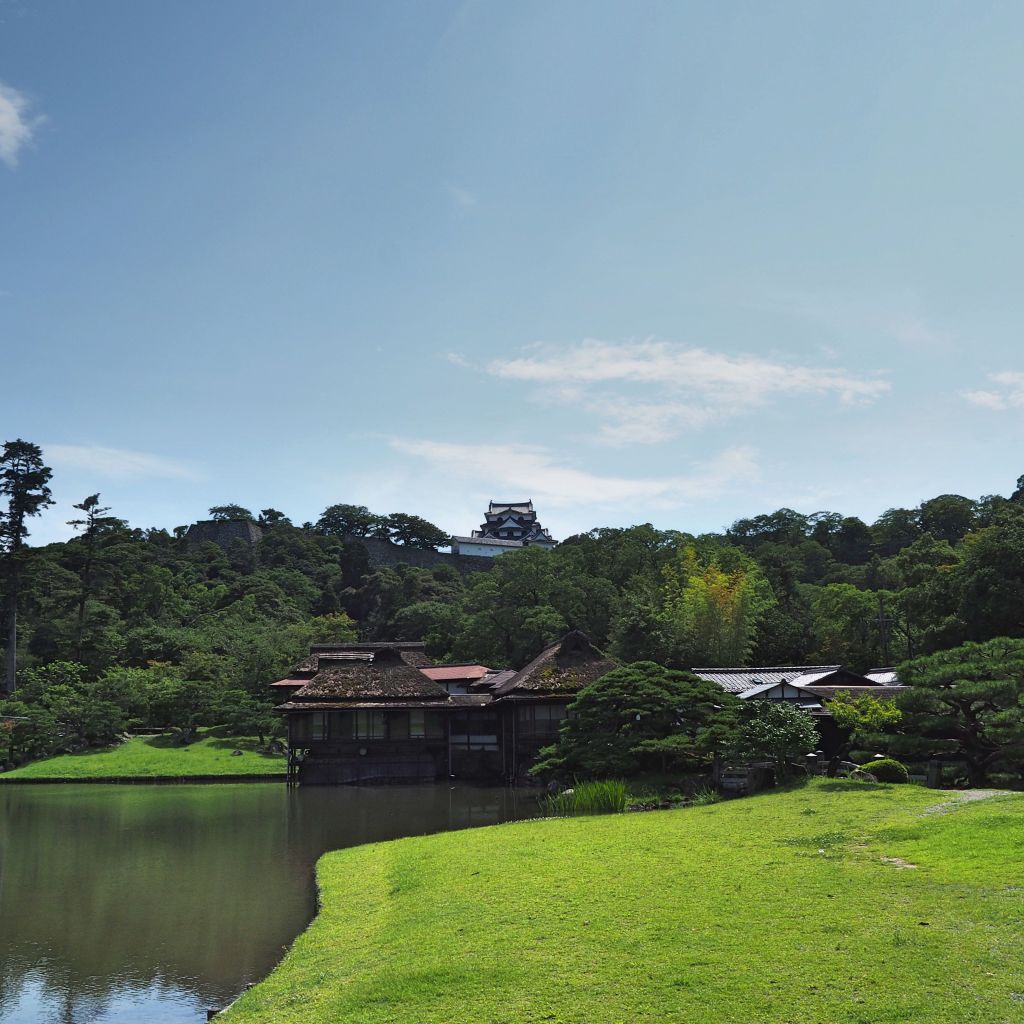
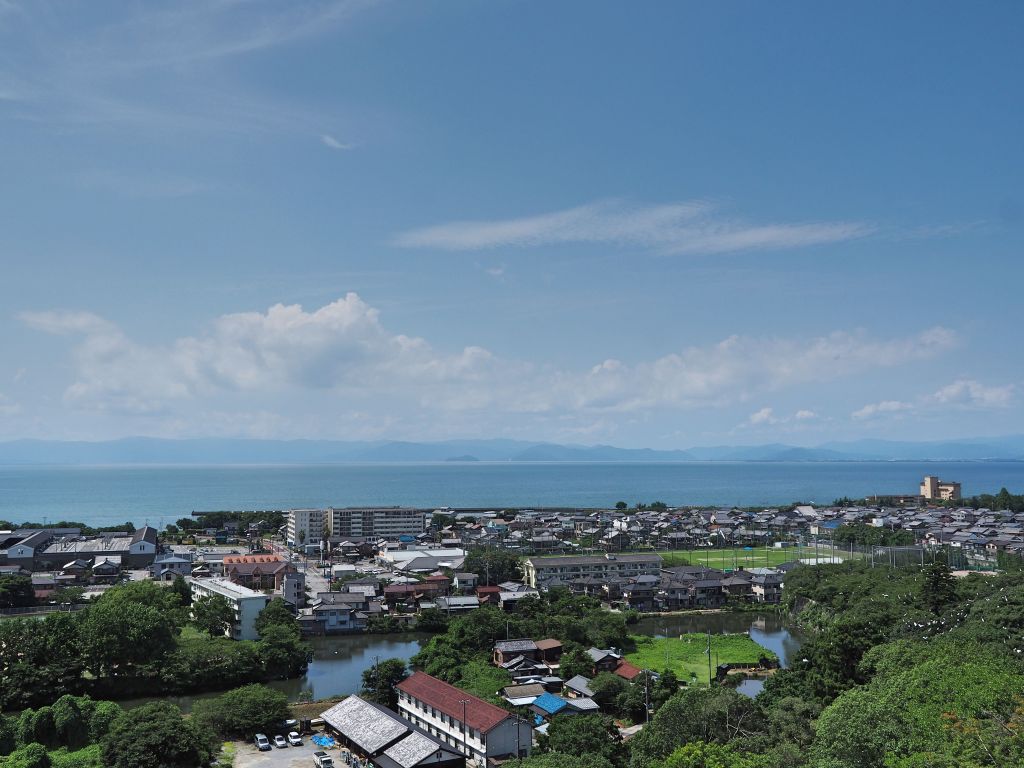
    The view from Hikone Castle.

    After climbing up the steps to get up to the keep, we realised how lucky we were. Hikonyan, the castle’s mascot and the true star of the whole trip, was about to perform (something?) in the courtyard. Having climbed up to check the castle out, Hikonyan (i.e., a person dressed as Hikonyan) stepped out — again, in 30+ degree heat — did some poses in front of the castle as visitors took photos. Sadly, there was no opportunity to take photos with Hikonyan, although I understand that they’d rather try and minimize the amount of time the person in the costume has to spend in the heat.

    The castle itself was nice. The inside of the castle is very empty (as is usual with Japanese castles from my experience), but at least the castle appears to be closer to what it historically used to be like, unlike the weird, hotel-looking Osaka castle.